GET INTO MY PC
Download Latest Software and Tech Solutions
In today’s digital landscape, small businesses face an unprecedented data management challenge. The sheer volume of files, documents, and media assets continues to grow exponentially, threatening to overwhelm traditional storage solutions and create operational bottlenecks. When critical files become scattered across multiple drives and platforms, productivity suffers as teams waste valuable time searching for and accessing the resources they need. Enter NVMe NAS (Network Attached Storage) systems – a revolutionary solution that combines lightning-fast storage technology with intelligent organization tools. By leveraging the superior speed of NVMe drives and advanced data management features, these systems transform how businesses store, access, and protect their digital assets. Not only do they dramatically reduce access times and eliminate storage bottlenecks, but they also provide robust security features essential for protecting sensitive business data. For organizations struggling with digital clutter and slow data access, NVMe NAS represents a paradigm shift in efficient data management.
NVMe technology represents a quantum leap forward in storage performance compared to traditional SATA-based NAS systems. Modern NVMe NAS devices feature multiple M.2 SSD slots that connect directly to the PCIe bus, enabling dramatically faster data transfer speeds. While SATA-based systems typically max out at 600MB/s, NVMe drives can achieve speeds of up to 7000MB/s. More importantly, NVMe reduces latency by up to 10x compared to SATA, with access times dropping from milliseconds to microseconds. This translates to near-instant file operations, even when dealing with large media files or databases.

The impact of NVMe NAS on daily business operations is transformative. In a recent case study, a digital marketing agency switched from traditional network attached storage to an NVMe-based system, reducing the time to load large Photoshop projects from 45 seconds to just 4 seconds. Their video editing team could simultaneously access 4K video files without any buffering or stuttering – a task that previously caused significant bottlenecks. The system maintained consistent performance even with 15 team members accessing different projects simultaneously. For businesses handling large files or running data-intensive applications, these performance gains translate directly into improved productivity. Teams spend less time waiting for files to load or save, and more time focusing on creative work. The reduced latency also enables smoother real-time collaboration, as multiple users can work on the same files without experiencing delays or conflicts.
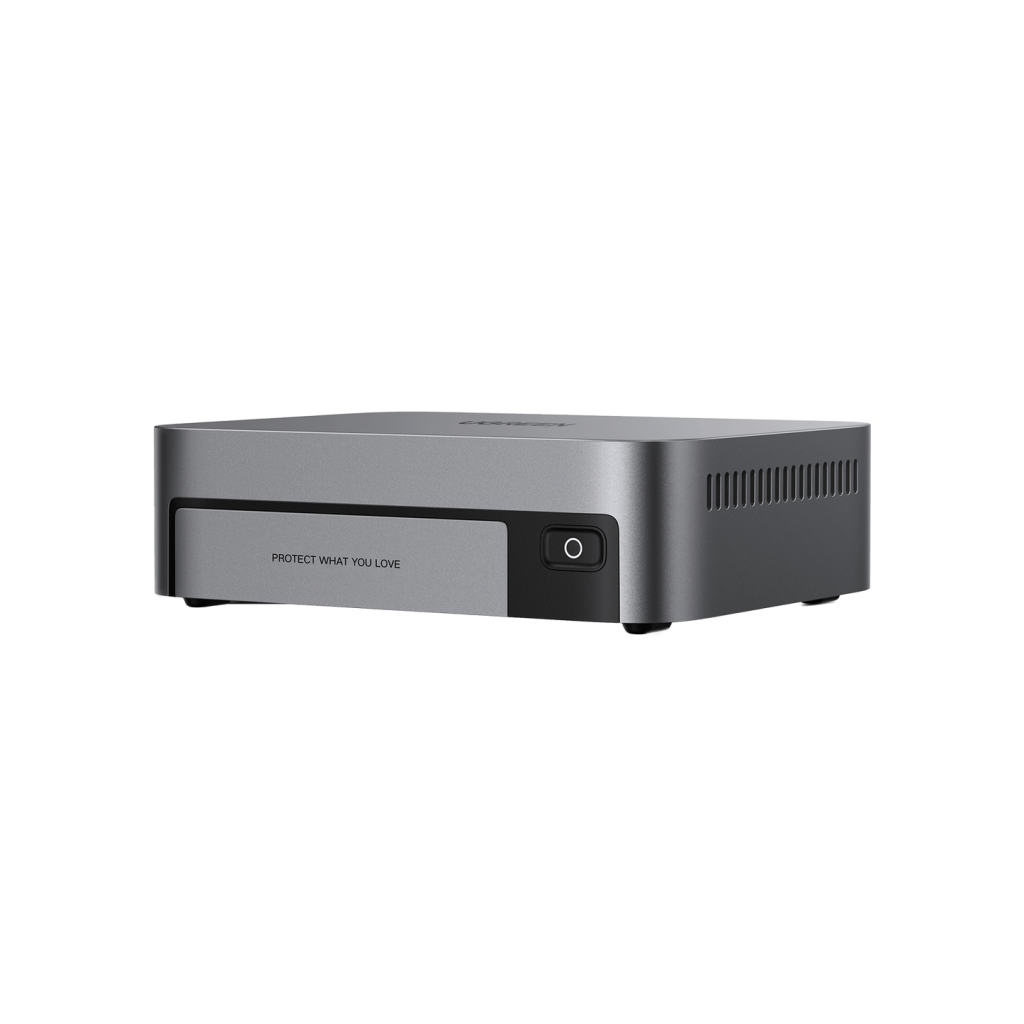
Modern NVMe NAS solutions incorporate sophisticated AI algorithms that revolutionize file organization. These systems automatically analyze and categorize photos based on faces, locations, and events, creating intelligently structured albums without manual intervention. Advanced metadata tagging extends beyond basic file properties, automatically extracting text from documents, identifying objects in images, and transcribing audio files. This enriched metadata enables powerful content-based search capabilities, allowing users to find files based on what’s actually in them rather than just filenames.
Streamlined project management becomes possible through customizable templates that automatically generate standardized folder structures for different client projects or departments. These frameworks maintain consistency across teams while reducing setup time for new projects. Built-in version control integration tracks file changes and maintains revision history, enabling teams to recover previous versions instantly and collaborate without fear of overwriting important work. Smart folder monitoring automatically sorts incoming files based on predefined rules, ensuring documents always land in their designated locations.
Modern NVMe NAS systems excel at hybrid storage management through intelligent cloud integration. Selective sync capabilities allow businesses to keep frequently accessed files on high-speed local storage while automatically moving older or less-used data to cloud storage. This tiered approach optimizes storage costs while maintaining quick access to essential files. Advanced caching mechanisms predict which cloud-stored files users might need next, pre-fetching them to ensure seamless access despite their remote location. Bandwidth-aware synchronization adjusts transfer speeds based on network conditions and usage patterns, preventing cloud sync operations from impacting critical business activities.

Enterprise-grade security begins with robust encryption implementation. Modern NVMe NAS systems utilize AES-256 encryption at both the hardware and software levels, ensuring data remains protected both at rest and in transit.
Comprehensive role-based access control (RBAC) forms the foundation of NAS security architecture. Administrators can define granular permissions based on user roles, departments, and project requirements, ensuring team members only access data relevant to their work. Every file access and system change is logged in detailed audit trails, providing complete visibility into data usage patterns and potential security events. Advanced ransomware protection features actively monitor file access patterns, automatically detecting and blocking suspicious encryption attempts. When unusual activity is detected, the system can instantly snapshot affected folders and alert administrators, enabling rapid response to potential threats while maintaining business continuity.
Selecting the right NVMe NAS hardware starts with evaluating your storage requirements. For optimal performance, look for systems offering at least two M.2 NVMe slots, enabling RAID 1 mirroring for data redundancy while maintaining superior speed. Leading manufacturers like UGREEN offer solutions that support PCIe Gen 4 for maximum throughput, particularly beneficial for large media files. The system should have at least 8GB of RAM to handle multiple concurrent users and enable smooth file caching. For future expansion, choose models with additional drive bays that can accommodate both 2.5-inch and 3.5-inch drives.
Begin deployment by determining the ideal placement for your NVMe NAS. Desktop models work well for small offices, while rackmount solutions offer better scalability for growing businesses. Ensure proper ventilation with at least 4 inches of clearance on all sides. Configure your network for optimal performance by connecting directly to a 2.5GbE or 10GbE port on your router or switch. Set up DHCP reservation or a static IP address to maintain consistent network access. Install the manufacturer’s management software and run initial drive tests to verify performance meets specifications.
Implement regular maintenance schedules to ensure consistent performance. Monitor SSD health weekly through the system’s dashboard, paying attention to temperature readings and remaining drive life indicators. Schedule automatic firmware updates during off-hours to minimize disruption. Create monthly backup verification routines to test data integrity and recovery procedures. Clean system vents quarterly to prevent dust accumulation and maintain optimal cooling. Enable email notifications for critical system events and performance thresholds to catch potential issues before they impact productivity.
The integration of NVMe technology with advanced organization tools represents a transformative solution for modern business data management. By combining unprecedented storage speeds with intelligent file organization capabilities, NVMe NAS systems eliminate the productivity barriers that plague traditional storage solutions. The synergy between lightning-fast NVMe performance and AI-powered organization tools enables businesses to not only access their data instantly but also maintain it in a structured, easily navigable format. Moreover, the robust security features ensure that sensitive business information remains protected without sacrificing accessibility or performance. For businesses ready to transform their data management approach, implementing an NVMe NAS solution begins with evaluating current storage needs, selecting appropriate hardware configurations, and establishing proper organization protocols. The investment in NVMe NAS technology today paves the way for streamlined operations, enhanced collaboration, and sustained business growth in an increasingly data-driven future.
